
📋 Quick Summary for Foreign Business Owners
Category: Regulatory Update
Category: Regulatory Update
Background & Context
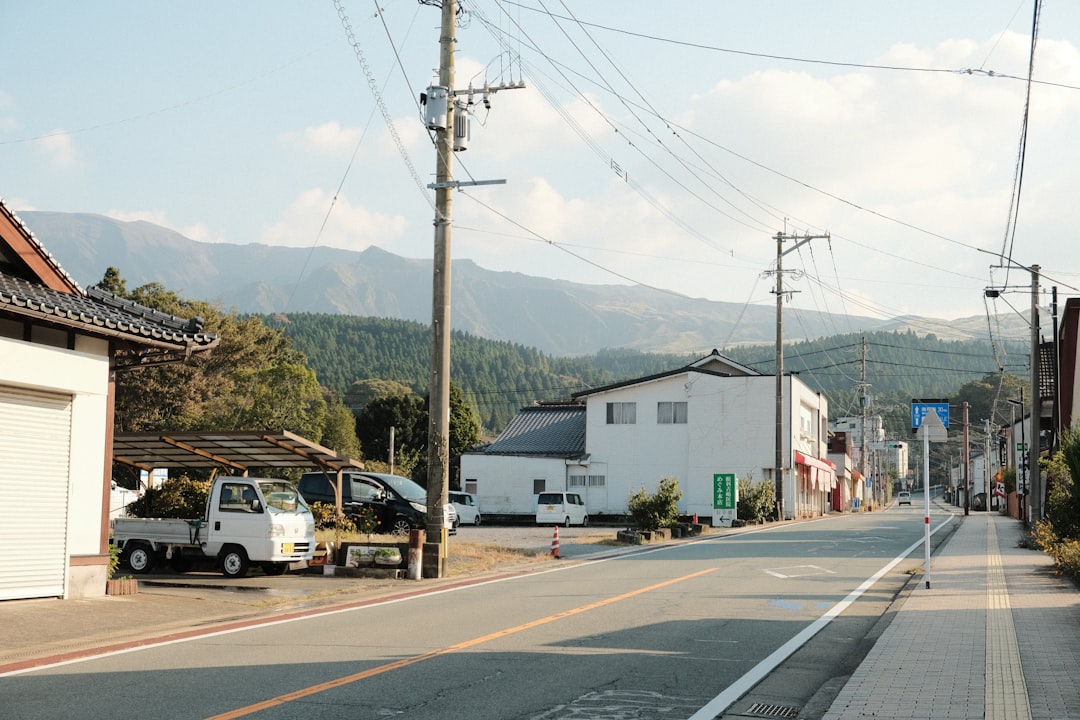
The Kumamoto earthquake, which struck in August 2026, has caused extensive damage to infrastructure and local businesses in the region. The Japanese government, through the Ministry of Economy, Trade and Industry (METI, Keizai Sangyōshō), has initiated various support measures to assist affected businesses. The legal framework for disaster recovery in Japan includes the Disaster Countermeasures Basic Act (Bōsai Kihon-hō) and the Small and Medium-sized Enterprise Basic Act (Chūshō Kigyō Kihon-hō), which outline the responsibilities of government agencies and the types of support available. Since the earthquake, METI has been working on a series of amendments to these laws to streamline the recovery process and enhance support for businesses. The timeline of regulatory changes includes the introduction of emergency funding programs and tax relief measures aimed at businesses affected by the disaster.How This Affects Your Business in Japan
| Item | Cost (JPY) | Cost (USD approx) | Notes |
| Company Registration | ¥150,000 | $1,000 | Standard cost for new businesses |
| Notary Fee | ¥50,000 | $350 | Required for document notarization |
| Visa Application | ¥4,000 | $30 | For Business Manager visa |
1. Foreign Residents Already Operating a Business in Japan
If you are currently running a business in the affected area, it is essential to assess the damage and apply for government support. You should contact the local METI office to inquire about emergency funding and grants. Documentation required typically includes proof of damage, business registration, and financial statements. The risks of inaction include potential business closure and loss of income.
2. Foreign Nationals Planning to Establish a New Company
For those looking to start a business in the region, it is crucial to stay informed about the recovery efforts and infrastructure rebuilding. Engaging with local business associations can provide insights into the market conditions and available support. You may also consider applying for government grants aimed at new businesses in disaster-affected areas.
3. Foreign Investors Who Are NOT Residents of Japan
Investors should monitor the situation closely, as the earthquake may create opportunities for investment in reconstruction projects. Engaging with local government and business leaders can provide insights into potential investment opportunities. It is advisable to conduct thorough due diligence and consider the long-term implications of investing in a disaster-affected area.
Step-by-Step: What You Need to Do
Step 1: Assess DamageEvaluate the impact of the earthquake on your business.
Office: Local METI office (English Support: Yes)
Cost: Free (¥0)
Time: 1-2 weeks
Pitfall: Failing to document all damages
Step 2: Gather Documentation
Prepare necessary documents such as proof of damage and financial statements.
Office: Local METI office (English Support: Yes)
Cost: Free (¥0)
Time: 1 week
Pitfall: Missing required documents
Step 3: Apply for Emergency Funding
Submit an application for government support.
Office: Local METI office (English Support: Yes)
Cost: Free (¥0)
Time: 2-4 weeks for processing
Pitfall: Incomplete application forms
Step 4: Engage with Local Business Associations
Join local business groups to stay informed about recovery efforts.
Office: Local Chamber of Commerce (English Support: Varies)
Cost: Membership fees may apply
Time: Ongoing
Pitfall: Not actively participating in meetings
Step 5: Monitor Investment Opportunities
Keep an eye on potential investment projects related to reconstruction.
Office: Local government offices (English Support: Yes)
Cost: Free (¥0)
Time: Ongoing
Pitfall: Overlooking smaller projects
Key Contacts
www.jetro.go.jp/en/
www.moj.go.jp/isa/
www.meti.go.jp/english/
Expert Analysis: Japan vs. Regional Competitors
| Metric | Japan | Singapore | Hong Kong | South Korea |
| Incorporation Time | 14 days | 3 days | 1 day | 10 days |
| Minimum Capital Requirement | ¥0 | S$1 | HK$1 | ₩0 |
| Corporate Tax Rate | 23.2% | 17% | 16.5% | 22% |
| Visa Processing Time | 4 weeks | 2 weeks | 1 week | 3 weeks |
What to Expect Next
As Japan continues to recover from the Kumamoto earthquake, it is expected that the government will introduce further measures to streamline support for affected businesses. Watch for announcements regarding amendments to the Disaster Countermeasures Basic Act and additional funding programs in the coming months. The timeline for these developments is likely to unfold over the next 6-12 months as the government assesses the ongoing needs of the affected regions.Sources & References
This article is based on the following source and enhanced with professional analysis for foreign business owners.Source: 令和8年熊本地震で被災された皆様へ
⚠️ This article is for informational purposes only and does not constitute legal advice. Please consult a qualified Japanese attorney (bengoshi) or judicial scrivener (shiho shoshi) for advice specific to your situation.


コメント