
📋 Quick Summary for Foreign Business Owners
Category: Regulatory Update
Category: Regulatory Update
Background & Context
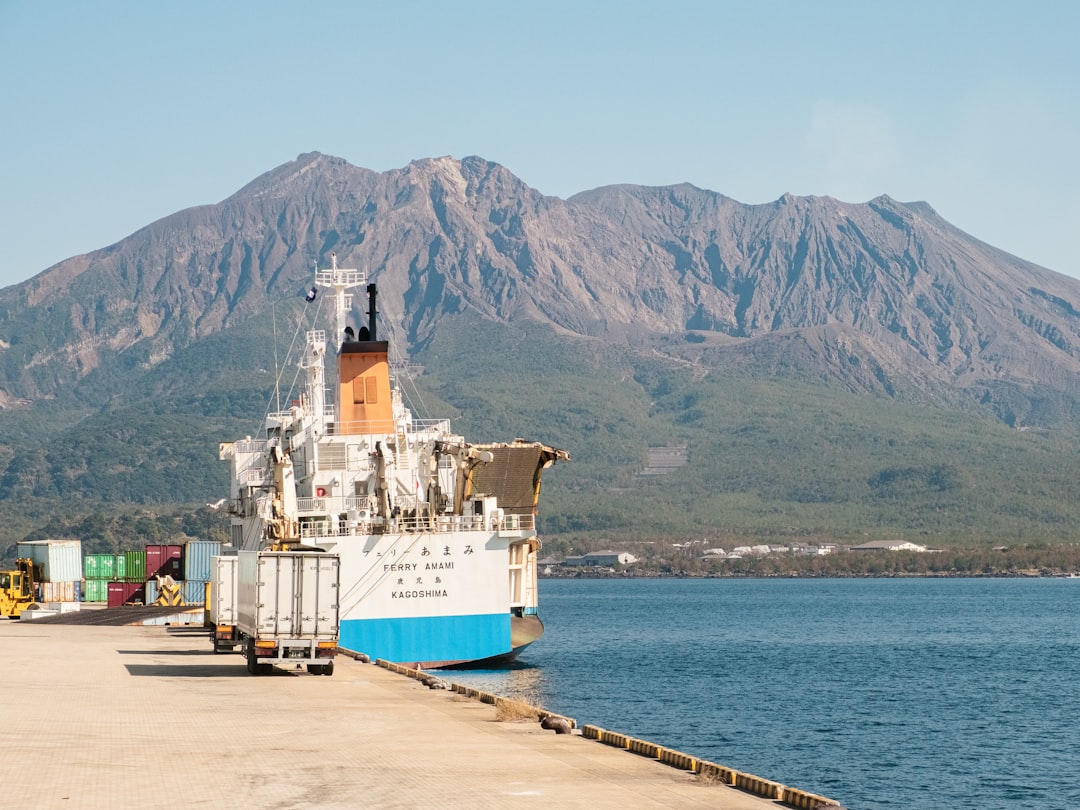
The Authorized Economic Operator (AEO) program in Japan, established under the Customs Act (Zeikan-ho) in 2004, aims to enhance international supply chain security and facilitate legitimate trade. The program allows businesses that demonstrate compliance with customs regulations and security standards to benefit from simplified customs procedures. The Japan Customs (Nihon Zeikan) regularly updates the AEO business list to reflect changes in compliance status. The latest update, released on April 28, 2026, includes new businesses that have achieved AEO status, which is critical for exporters looking to streamline their operations and reduce customs delays. The AEO program is aligned with the World Customs Organization (WCO) framework, promoting global trade security and efficiency. Businesses on the AEO list enjoy various benefits, including reduced inspections and expedited clearance processes, making it a valuable asset for foreign entrepreneurs engaged in export activities.How This Affects Your Business in Japan
| Item | Cost (JPY) | Cost (USD approx) | Notes |
| Company Registration | ¥150,000 | $1,000 | Initial registration cost |
| Notary Fee | ¥50,000 | $350 | For document notarization |
| Visa Application | ¥4,000 | $30 | Business Manager visa |
1. Foreign Residents Already Operating a Business in Japan
If you are currently exporting goods from Japan, it is essential to check if your business is listed as an AEO. Being on this list can significantly enhance your export efficiency. If you are not listed, consider applying for AEO status to enjoy benefits like reduced inspections. The application process typically requires documentation proving compliance with customs regulations and security measures. Failure to apply may result in longer customs clearance times and increased costs.
2. Foreign Nationals Planning to Establish a New Company
If you are considering starting a business in Japan that involves exporting, aim to achieve AEO status from the outset. This will not only facilitate smoother operations but also enhance your credibility with partners and clients. Prepare to submit necessary documentation, including your business plan and compliance measures, to Japan Customs. Not pursuing AEO status could hinder your competitive edge in the market.
3. Foreign Investors Who Are NOT Residents of Japan
For foreign investors looking to invest in Japanese export businesses, understanding the AEO program is crucial. Investing in companies with AEO status can provide assurance of their compliance and operational efficiency. If you are considering an investment, inquire about the AEO status of potential partners. Failing to do so may lead to unforeseen risks and delays in trade operations.
Step-by-Step: What You Need to Do
Step 1: Check AEO StatusVisit the Japan Customs (Nihon Zeikan) website to verify if your business is listed as an AEO. English support is available.
Office: Japan Customs (English Support: Yes)
Cost: Free (¥0)
Time: 1 hour
Pitfall: Not checking the most recent list
Step 2: Prepare Documentation
Gather necessary documents proving compliance with customs regulations. This may include financial records, security measures, and operational procedures.
Office: Internal Preparation
Cost: Varies based on documentation needs
Time: 1-2 weeks
Pitfall: Incomplete documentation
Step 3: Submit AEO Application
Complete the AEO application form available on the Japan Customs website and submit it along with your documentation. English support is available.
Office: Japan Customs (English Support: Yes)
Cost: Free (¥0)
Time: 1 hour
Pitfall: Missing submission deadlines
Step 4: Await Review
Japan Customs will review your application, which typically takes 1-3 months. During this time, they may request additional information.
Office: Japan Customs (English Support: Yes)
Cost: Free (¥0)
Time: 1-3 months
Pitfall: Delays in response to additional information requests
Step 5: Receive AEO Status
If approved, you will receive confirmation of your AEO status. Ensure to maintain compliance to retain this status.
Office: Japan Customs (English Support: Yes)
Cost: Free (¥0)
Time: Immediate upon approval
Pitfall: Non-compliance leading to status revocation
Step 6: Monitor Compliance
Regularly review your compliance with customs regulations to maintain AEO status.
Office: Internal Monitoring
Cost: Varies based on business operations
Time: Ongoing
Pitfall: Overlooking regulatory updates
Key Contacts
www.jetro.go.jp/en/
www.moj.go.jp/isa/
www.customs.go.jp/english/
www.nta.go.jp/english/
Expert Analysis: Japan vs. Regional Competitors
| Metric | Japan | Singapore | Hong Kong | South Korea |
| Incorporation Time | 14 days | 3 days | 5 days | 10 days |
| Minimum Capital Requirement | ¥0 | S$1 | HK$1 | ₩0 |
| Annual Filing Cost | ¥60,000 | S$300 | HK$2,000 | ₩50,000 |
| Visa Processing Time | 3 months | 1 month | 2 months | 2 months |
What to Expect Next
Looking ahead, businesses should monitor potential legislative changes that may affect the AEO program. The Japanese government is expected to enhance its trade facilitation measures further, with discussions on streamlining customs processes anticipated in 2027. Entrepreneurs should keep an eye on announcements from Japan Customs (Nihon Zeikan) regarding any updates to the AEO program and related compliance requirements, as these could significantly impact export operations.Sources & References
This article is based on the following source and enhanced with professional analysis for foreign business owners.Source: AEO事業者一覧を更新しました(輸出)
⚠️ This article is for informational purposes only and does not constitute legal advice. Please consult a qualified Japanese attorney (bengoshi) or judicial scrivener (shiho shoshi) for advice specific to your situation.





コメント