

📋 Quick Summary for Foreign Business Owners
Category: Market Insight
Category: Market Insight
Background & Context
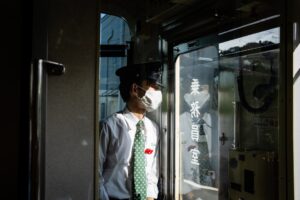
The Japan Customs and Tariff Bureau (Zaimu-shō Kanzei-kyoku) operates under the Ministry of Finance (Zaimu-shō) and is responsible for enforcing customs laws and regulations in Japan. The current legal framework is governed by the Customs Act (Kanzei-hō) of 2018, which outlines the procedures for import and export activities, tariff regulations, and compliance requirements. The Customs Act has undergone several amendments over the years to adapt to changing global trade dynamics and enhance efficiency in customs operations. The recent launch of the recruitment video on YouTube aims to attract new talent to the customs sector, which is crucial for maintaining compliance and facilitating trade. This initiative reflects Japan’s commitment to strengthening its customs operations and ensuring that businesses, both domestic and foreign, can operate smoothly within the regulatory framework.How This Affects Your Business in Japan
| Item | Cost (JPY) | Cost (USD approx) | Notes |
| Company Registration | ¥150,000 – ¥300,000 | $1,000 – $2,000 | Includes legal and administrative fees |
| Notary Fee | ¥50,000 | $350 | For document notarization |
| Visa Application | ¥4,000 | $30 | Standard application fee |
1. Foreign Residents Already Operating a Business in Japan
For those already engaged in business, staying updated on customs regulations is vital. The recruitment of new customs officials may lead to changes in enforcement practices. Business owners should review their compliance processes and consider attending workshops or seminars offered by the Japan Customs and Tariff Bureau to ensure they are aligned with current regulations. Failure to comply could result in fines or delays in shipments.
2. Foreign Nationals Planning to Establish a New Company
For entrepreneurs looking to set up a business in Japan, understanding customs regulations is essential, especially if their business involves importing or exporting goods. They should familiarize themselves with the Customs Act and consider consulting with a customs broker or legal advisor to navigate the complexities of customs compliance. This proactive approach can help avoid potential pitfalls during the establishment phase.
3. Foreign Investors Who Are NOT Residents of Japan
Investors should be aware that changes in customs regulations can impact the viability of their investments, particularly in sectors reliant on international trade. It is advisable to conduct thorough due diligence on the customs landscape and consider engaging local experts who can provide insights into the regulatory environment. Inaction could lead to unforeseen challenges and financial losses due to non-compliance with customs laws.
Step-by-Step: What You Need to Do
Step 1: Research Customs RegulationsVisit the Japan Customs and Tariff Bureau website for the latest information on customs laws. English support is available.
Office: Japan Customs and Tariff Bureau (English Support: Yes)
Cost: Free (¥0)
Time: 1-2 hours
Pitfall: Overlooking updates on regulations
Step 2: Consult a Customs Broker
Engage a licensed customs broker to assist with compliance. Contact the Japan Customs and Tariff Bureau for a list of licensed brokers. English support is typically available.
Office: Licensed Customs Broker (English Support: Limited)
Cost: ¥50,000 (~$350 USD)
Time: 1 week for consultation
Pitfall: Choosing an unlicensed broker
Step 3: Prepare Documentation
Gather necessary documents for import/export activities, including invoices, packing lists, and customs declarations.
Office: Internal Preparation (English Support: N/A)
Cost: Free (¥0)
Time: 1-2 weeks
Pitfall: Missing critical documents
Step 4: Submit Customs Declarations
File customs declarations electronically through the Japan Customs system. English support is available.
Office: Japan Customs System (English Support: Yes)
Cost: Free (¥0)
Time: 1-2 days
Pitfall: Incorrect data entry
Step 5: Attend Workshops
Participate in workshops or seminars offered by the Japan Customs and Tariff Bureau to stay informed about regulatory changes.
Office: Japan Customs and Tariff Bureau (English Support: Yes)
Cost: Typically Free (¥0)
Time: 1 day per workshop
Pitfall: Not attending regularly
Step 6: Monitor Changes
Regularly check for updates on customs regulations and recruitment initiatives from the Japan Customs and Tariff Bureau.
Office: Japan Customs and Tariff Bureau (English Support: Yes)
Cost: Free (¥0)
Time: Ongoing
Pitfall: Ignoring updates
Key Contacts
www.jetro.go.jp/en/
www.moj.go.jp/isa/
www.customs.go.jp/english/
www.nta.go.jp/english/
Expert Analysis: Japan vs. Regional Competitors
| Metric | Japan | Singapore | Hong Kong | South Korea |
| Incorporation Time | 14 days | 3 days | 1 day | 10 days |
| Minimum Capital Requirement | ¥0 | S$1 | HK$1 | ₩0 |
| Annual Filing Cost | ¥60,000 | S$300 | HK$2,000 | ₩100,000 |
| Visa Processing Time | 1 month | 2 weeks | 1 week | 3 weeks |
What to Expect Next
As Japan continues to adapt its customs regulations, foreign entrepreneurs should keep an eye on upcoming legislative changes that may simplify compliance processes. The Japan Customs and Tariff Bureau is expected to release updates on new policies by the end of 2026, which could impact how businesses operate within the customs framework. Entrepreneurs should stay informed and be prepared to adjust their strategies accordingly.Sources & References
This article is based on the following source and enhanced with professional analysis for foreign business owners.Source: 税関チャンネル(YouTube)に「税関・財務省関税局」採用動画をアップしました!
⚠️ This article is for informational purposes only and does not constitute legal advice. Please consult a qualified Japanese attorney (bengoshi) or judicial scrivener (shiho shoshi) for advice specific to your situation.







コメント