
📋 Quick Summary for Foreign Business Owners
Category: Market Insight
Category: Market Insight
Background & Context
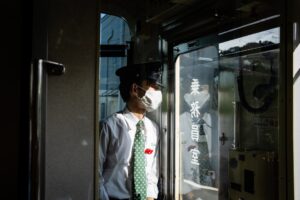
The Customs and Tariff Bureau of the Ministry of Finance (Zaimu-shō Kanzei Kyoku) is responsible for overseeing customs regulations and tariff policies in Japan. The current legal framework governing customs is primarily outlined in the Customs Act (Zōka-hō) of 1954, which has undergone several amendments to adapt to international trade agreements and domestic economic needs. The recent recruitment video highlights the bureau’s efforts to enhance its workforce, which is vital for maintaining efficient customs operations. This comes in the context of Japan’s ongoing efforts to streamline trade processes and improve its competitiveness in the global market. The recruitment initiative is part of a broader strategy to ensure that the Customs and Tariff Bureau can effectively manage the increasing volume of trade and complex regulations that foreign businesses must navigate.How This Affects Your Business in Japan
| Item | Cost (JPY) | Cost (USD approx) | Notes |
| Company Registration | ¥150,000 to ¥300,000 | $1,050 to $2,100 | Includes registration and documentation |
| Notary Fee | ¥50,000 | $350 | For notarizing documents |
| Visa Application | ¥4,000 | $28 | For Business Manager visa |
1. Foreign Residents Already Operating a Business in Japan
For those already established, the recruitment of new customs personnel could lead to improved service at customs checkpoints, potentially reducing delays in the import/export process. It is advisable to stay updated on any changes in customs procedures that may arise from this recruitment effort. Engaging with customs brokers who are well-versed in the latest regulations can mitigate risks associated with delays or compliance issues.
2. Foreign Nationals Planning to Establish a New Company
New entrepreneurs should consider the implications of customs regulations on their business plans. Understanding the customs landscape is crucial for setting realistic timelines for product launches, especially if importing goods. It is recommended to consult with legal experts or customs consultants to ensure compliance with the Customs Act and to prepare necessary documentation ahead of time.
3. Foreign Investors Who Are NOT Residents of Japan
Investors looking to enter the Japanese market should be aware that a robust customs framework can facilitate smoother trade operations. Engaging with local partners who have experience with customs regulations can provide valuable insights and help navigate potential bureaucratic hurdles. It is essential to conduct thorough due diligence on customs requirements relevant to the specific industry of investment to avoid costly mistakes.
Step-by-Step: What You Need to Do
Step 1: Research Customs RegulationsFamiliarize yourself with the Customs Act (Zōka-hō) and relevant regulations. Contact the Customs and Tariff Bureau (Zaimu-shō Kanzei Kyoku) for guidance. English support is available.
Office: Customs and Tariff Bureau (English Support: Yes)
Cost: Free (¥0)
Time: 1 week
Pitfall: Overlooking specific industry regulations
Step 2: Engage a Customs Broker
Hire a customs broker to assist with import/export processes. Look for brokers with experience in your industry.
Office: Private Brokers (English Support: Varies)
Cost: ¥50,000 to ¥100,000 (~$350 to $700 USD)
Time: 1-2 weeks for selection
Pitfall: Choosing an inexperienced broker
Step 3: Prepare Documentation
Gather necessary documents such as invoices, packing lists, and certificates of origin. Consult with your broker for specific requirements.
Office: Customs and Tariff Bureau (English Support: Yes)
Cost: Free (¥0)
Time: 1 week
Pitfall: Missing required documents
Step 4: Submit Import/Export Declarations
File your declarations with the Customs and Tariff Bureau. Ensure all information is accurate to avoid penalties.
Office: Customs and Tariff Bureau (English Support: Yes)
Cost: Free (¥0)
Time: 1-2 days
Pitfall: Inaccurate information
Step 5: Monitor Customs Clearance
Stay in contact with your broker during the clearance process to address any issues promptly.
Office: Customs and Tariff Bureau (English Support: Yes)
Cost: Free (¥0)
Time: Varies
Pitfall: Lack of communication
Step 6: Evaluate Customs Procedures Regularly
Keep abreast of any changes in customs regulations that may affect your business. Contact the Customs and Tariff Bureau for updates.
Office: Customs and Tariff Bureau (English Support: Yes)
Cost: Free (¥0)
Time: Ongoing
Pitfall: Ignoring regulatory updates
Key Contacts
www.jetro.go.jp/en/
www.moj.go.jp/isa/
www.customs.go.jp/english/
www.nta.go.jp/english/
Expert Analysis: Japan vs. Regional Competitors
| Metric | Japan | Singapore | Hong Kong | South Korea |
| Incorporation Time | 10-14 days | 3 days | 1 day | 4-5 days |
| Minimum Capital Requirement | ¥0 | $1 | $0 | ₩0 |
| Corporate Tax Rate | 30.62% | 17% | 16.5% | 22% |
| Visa Processing Time | 1-3 months | 1 month | 2-4 weeks | 2-4 weeks |
What to Expect Next
Looking ahead, the Customs and Tariff Bureau is expected to continue its recruitment efforts and possibly introduce new technologies to streamline customs processes. Entrepreneurs should watch for updates on customs regulations and any new initiatives aimed at improving trade efficiency. Key timelines to monitor include the annual budget announcements in December, which may outline funding for customs improvements, and any legislative changes proposed in the Diet sessions throughout the year.Sources & References
This article is based on the following source and enhanced with professional analysis for foreign business owners.Source: 税関チャンネル(YouTube)に「税関・財務省関税局」採用動画をアップしました!
⚠️ This article is for informational purposes only and does not constitute legal advice. Please consult a qualified Japanese attorney (bengoshi) or judicial scrivener (shiho shoshi) for advice specific to your situation.







コメント