
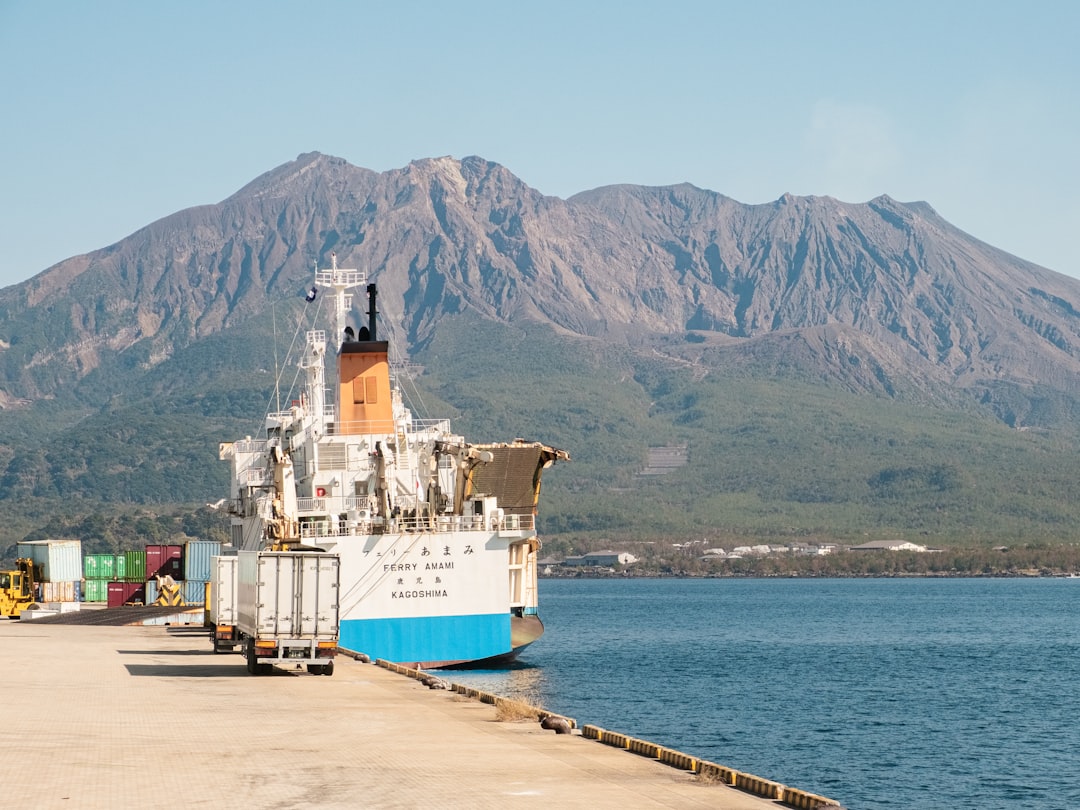
In a significant move for foreign entrepreneurs, Japan is ramping up its food exports by hosting a record number of buyers from 16 countries. This initiative not only opens new markets for Japanese food products but also presents lucrative opportunities for foreign businesses looking to engage in import and export activities. Understanding the regulatory landscape and leveraging this momentum can be crucial for entrepreneurs aiming to capitalize on Japan’s rich culinary heritage and growing international demand.
Category: Practical Guide
Background & Context
Japan’s food export sector has seen substantial growth in recent years, driven by increasing global demand for Japanese cuisine and food products. The Ministry of Agriculture, Forestry and Fisheries (MAFF, Nōrin Suisan-shō) has been at the forefront of these efforts, implementing various policies to enhance the competitiveness of Japanese food exports. The Food Sanitation Act (Shokuhin Eisei-hō) and the Export Trade Control Order (Yushutsu Torihiki Kisei) are key regulations that govern the export of food products, ensuring safety and quality standards are met. Recent initiatives, including trade missions and promotional events, have aimed to connect Japanese producers with international buyers, particularly in emerging markets. The latest event, which took place in February 2026, saw participation from a record number of companies, highlighting Japan’s commitment to expanding its food export capabilities.
How This Affects Your Business in Japan
| Item | Cost (JPY) | Cost (USD approx) | Notes |
| Company Registration | ¥150,000 | $1,000 | Under Companies Act |
| Notary Fee | ¥50,000 | $350 | For document verification |
| Visa Application | ¥4,000 | $30 | Business Manager Visa |
1. Foreign Residents Already Operating a Business in Japan
For those already in the food import/export sector, this initiative presents an opportunity to expand their product offerings. They should consider attending trade shows and networking events to connect with international buyers. It’s crucial to ensure compliance with the Food Sanitation Act and maintain quality standards. They should also explore potential partnerships with Japanese producers to enhance their product range. Failure to engage could result in missed opportunities in a growing market.
2. Foreign Nationals Planning to Establish a New Company
New entrepreneurs should conduct market research to identify potential niches within the Japanese food export sector. They will need to register their business under the Companies Act (Kaisha-hō) and obtain necessary permits from MAFF. Engaging with local trade associations can provide valuable insights and support. Delaying these steps could hinder their ability to capitalize on the current export momentum.
3. Foreign Investors Who Are NOT Residents of Japan
Investors looking to enter the Japanese market should consider funding local food businesses or establishing joint ventures. Understanding the regulatory landscape is essential, particularly regarding the Export Trade Control Order. They should also be aware of the potential for tariffs and trade barriers. Not acting promptly could result in losing competitive advantages as the market evolves rapidly.
Step-by-Step: What You Need to Do
Step 1: Conduct Market Research
Identify potential food products for export. Contact local trade associations for insights.
Office: Local Trade Associations (English Support: Limited)
Cost: Free (¥0)
Time: 1-2 weeks
Pitfall: Overlooking niche markets
Step 2: Register Your Business
Under the Companies Act (Kaisha-hō), register your company. Contact the Legal Affairs Bureau (Homukyoku).
Office: Legal Affairs Bureau (English Support: Limited)
Cost: ¥150,000 (~$1,000 USD)
Time: 1 month
Pitfall: Incomplete documentation
Step 3: Obtain Necessary Permits
Apply for permits from MAFF regarding food safety and sanitation.
Office: MAFF (English Support: Yes)
Cost: Varies
Time: 2-3 months
Pitfall: Missing deadlines
Step 4: Attend Trade Shows
Participate in trade events to network with buyers. Check JETRO for upcoming events.
Office: JETRO (English Support: Yes)
Cost: Varies
Time: Ongoing
Pitfall: Not following up with contacts
Step 5: Establish Partnerships
Collaborate with local producers to enhance product offerings.
Office: Local Chambers of Commerce (English Support: Limited)
Cost: Free (¥0)
Time: Ongoing
Pitfall: Misaligned business goals
Step 6: Monitor Regulatory Changes
Stay updated on changes in the Food Sanitation Act and Export Trade Control Order.
Office: MAFF (English Support: Yes)
Cost: Free (¥0)
Time: Ongoing
Pitfall: Ignoring updates
Key Contacts
www.jetro.go.jp/en/
www.moj.go.jp/isa/
www.customs.go.jp/english/
www.nta.go.jp/english/
www.meti.go.jp/english/
Expert Analysis: Japan vs. Regional Competitors
| Metric | Japan | Singapore | Hong Kong | South Korea |
| Incorporation Time | 14 days | 3 days | 5 days | 10 days |
| Minimum Capital Requirement | ¥0 | S$1 | HK$1 | ₩0 |
| Annual Filing Cost | ¥60,000 | S$500 | HK$2,000 | ₩100,000 |
| Visa Processing Time | 3 months | 1 month | 2 months | 2 months |
What to Expect Next
Looking ahead, foreign entrepreneurs should keep an eye on potential legislative changes that may further facilitate food exports. The Japanese government is expected to introduce new policies aimed at reducing tariffs and simplifying export procedures. Key timelines to watch for include the annual review of the Food Sanitation Act and updates from MAFF regarding trade agreements. Engaging with these developments early can position businesses favorably in the evolving market landscape.
Sources & References
This article is based on the following source and enhanced with professional analysis for foreign business owners.
Source: 世界16カ国のバイヤーが集結、日本産食品の輸出加速へ ―新興国等への輸出を目指す過去最多の企業が参加―
⚠️ This article is for informational purposes only and does not constitute legal advice. Please consult a qualified Japanese attorney (bengoshi) or judicial scrivener (shiho shoshi) for advice specific to your situation.






コメント