

📋 Quick Summary for Foreign Business Owners
Category: Practical Guide
Category: Practical Guide
Background & Context
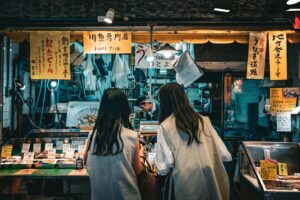
The Japanese government, through the Japan External Trade Organization (JETRO), is actively promoting the country’s culinary culture to attract foreign tourists. This initiative aligns with Japan’s broader tourism strategy, aiming to increase international visitors and enhance their experiences. The recent publication of case studies on culinary experience events reflects the growing importance of food tourism. This initiative is part of Japan’s efforts to revitalize the economy post-COVID-19 and showcase its unique culinary offerings. The legal framework surrounding food tourism includes the Food Sanitation Act (Shokuhin Eisei Ho) and various local regulations governing food safety and hygiene standards. As of 2026, the government has been simplifying processes for foreign businesses to engage in food-related tourism activities, easing regulations and providing support for event organization.How This Affects Your Business in Japan
| Item | Cost (JPY) | Cost (USD approx) | Notes |
| Company Registration | ¥150,000 | ~$1,000 | Includes legal fees |
| Notary Fee | ¥50,000 | ~$350 | For document notarization |
| Visa Application | ¥4,000 | ~$30 | Business Manager visa |
1. Foreign Residents Already Operating a Business in Japan
For those already in the food or tourism sectors, this new resource provides valuable insights into creating and promoting culinary experiences. Businesses can leverage these events to attract foreign tourists, enhancing their offerings. It is recommended to register with JETRO to gain access to promotional materials and support. Failure to adapt to these new opportunities may result in lost revenue as competition increases.
2. Foreign Nationals Planning to Establish a New Company
Entrepreneurs looking to enter the food tourism market should consider aligning their business models with the culinary experience events highlighted by JETRO. This could involve developing unique food tours or cooking classes. They should prepare a business plan that complies with the Food Sanitation Act and seek advice from local business support organizations. Not acting promptly could mean missing out on the peak tourist seasons.
3. Foreign Investors Who Are NOT Residents of Japan
Investors interested in the Japanese food industry should consider funding businesses that participate in these culinary events. Understanding the regulatory environment is crucial, and they may need to consult with legal experts to navigate the Food Sanitation Act and other relevant laws. Delaying investment decisions could result in missed opportunities as the tourism sector continues to recover and grow.
Step-by-Step: What You Need to Do
Step 1: Research Culinary Experience EventsVisit the JETRO website to explore available resources and case studies.
Office: JETRO (English Support: Yes)
Cost: Free (¥0)
Time: Ongoing
Pitfall: Not utilizing available resources
Step 2: Develop a Business Plan
Outline how your business will participate in these events, ensuring compliance with the Food Sanitation Act.
Office: Local Chamber of Commerce (English Support: Limited)
Cost: Free (¥0)
Time: 2-4 weeks
Pitfall: Overlooking regulatory compliance
Step 3: Register Your Business
Ensure your business is properly registered under Japanese law.
Office: Legal Affairs Bureau (English Support: Yes)
Cost: ¥150,000 (~$1,000 USD)
Time: 1-2 weeks
Pitfall: Incomplete documentation
Step 4: Apply for Necessary Permits
Depending on your business model, you may need specific permits related to food handling and tourism.
Office: Local Government Office (English Support: Limited)
Cost: ¥10,000-¥30,000 (~$70-$200 USD)
Time: 2-3 weeks
Pitfall: Missing permit deadlines
Step 5: Promote Your Culinary Experiences
Utilize JETRO’s resources to market your offerings to foreign tourists.
Office: JETRO (English Support: Yes)
Cost: Free (¥0)
Time: Ongoing
Pitfall: Ineffective marketing strategies
Step 6: Monitor and Adapt
Keep track of tourist feedback and adjust your offerings accordingly to enhance customer satisfaction.
Office: Self-managed
Cost: Free (¥0)
Time: Ongoing
Pitfall: Ignoring customer feedback
Key Contacts
www.jetro.go.jp/en/
www.moj.go.jp/isa/
houmukyoku.moj.go.jp
www.nta.go.jp/english/
Expert Analysis: Japan vs. Regional Competitors
| Metric | Japan | Singapore | Hong Kong | South Korea |
| Incorporation Time | 2-3 weeks | 1-2 weeks | 1-2 weeks | 2-3 weeks |
| Minimum Capital Requirement | ¥0 | S$1 | HK$1 | ₩0 |
| Annual Filing Cost | ¥60,000 | S$300 | HK$2,000 | ₩50,000 |
| Corporate Tax Rate | 23.2% | 17% | 16.5% | 22% |
What to Expect Next
Looking ahead, Japan is likely to continue expanding its culinary tourism initiatives. Potential legislation aimed at further easing regulations for foreign businesses in the food sector is expected to be discussed in 2027. Entrepreneurs should keep an eye on upcoming policy announcements and be prepared to adapt their strategies to align with new opportunities as they arise.Sources & References
This article is based on the following source and enhanced with professional analysis for foreign business owners.Source: 訪日外国人旅行者向け「日本の食」体験イベント 公開事例集をウェブサイトに掲載
⚠️ This article is for informational purposes only and does not constitute legal advice. Please consult a qualified Japanese attorney (bengoshi) or judicial scrivener (shiho shoshi) for advice specific to your situation.




コメント