
📋 Quick Summary for Foreign Business Owners
Category: Regulatory Update
Category: Regulatory Update
Background & Context
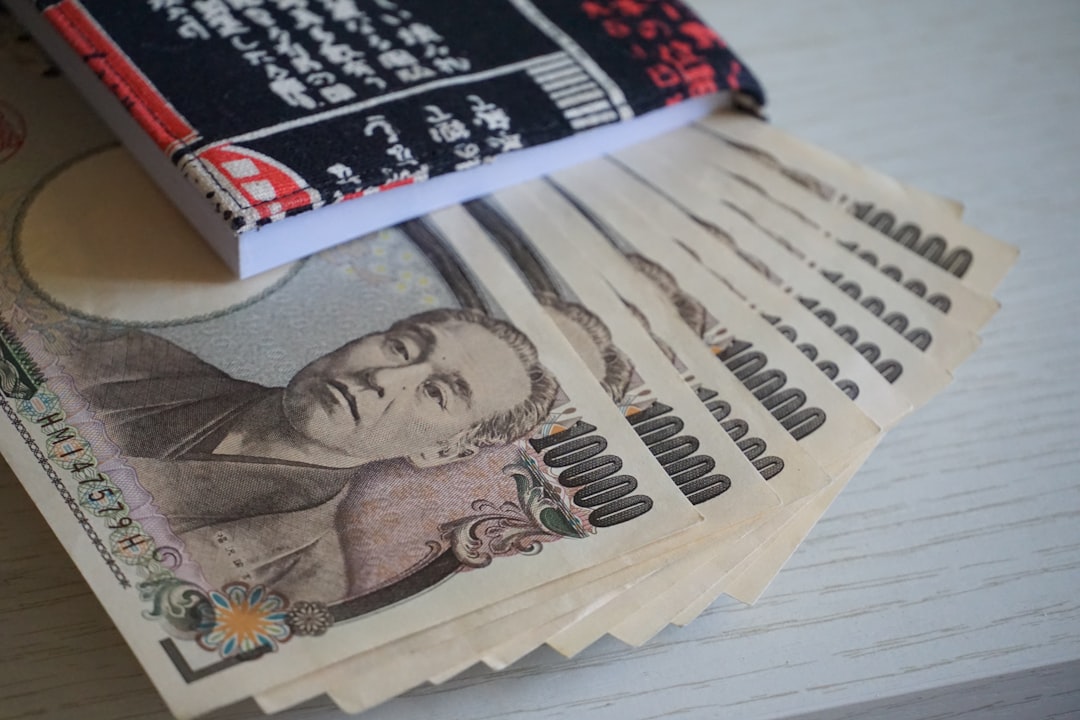
Japan’s customs valuation system relies on foreign exchange rates to determine the value of imported goods. The Customs Act (関税法, Kazei-hō) mandates that the valuation of goods for customs duties must reflect current market conditions, which are influenced by fluctuating foreign exchange rates. The Ministry of Finance (財務省, Zaimu-shō) regularly publishes these rates to assist businesses in calculating the proper duties owed. The latest update, covering the period from May 3 to May 9, 2026, is part of an ongoing effort to provide timely information to businesses engaged in international trade. Historically, Japan has adjusted its customs valuation practices to align with international standards, ensuring transparency and fairness in trade. This update is particularly relevant as Japan continues to strengthen its trade relationships and adapt to global economic changes.How This Affects Your Business in Japan
| Item | Cost (JPY) | Cost (USD approx) | Notes |
| Company Registration | ¥150,000 | $1,000 | Standard cost for registration |
| Notary Fee | ¥50,000 | $350 | For document notarization |
| Visa Application | ¥4,000 | $30 | Application fee |
1. Foreign Residents Already Operating a Business in Japan
If you are currently importing goods, it’s essential to review the latest foreign exchange rates published by the Ministry of Finance. These rates will affect the customs valuation of your imports, which in turn impacts your duty payments. Ensure that your accounting practices align with these rates to avoid potential penalties. Regularly check the Ministry’s website for updates and consider consulting with a customs broker for precise calculations.
2. Foreign Nationals Planning to Establish a New Company
For those looking to start a business in Japan, understanding the customs valuation process is critical, especially if you plan to import goods. Familiarize yourself with the foreign exchange rates and how they influence the overall cost of your products. This knowledge will help you in budgeting and pricing strategies. You may need to provide documentation that reflects the current exchange rates when submitting your customs declarations.
3. Foreign Investors Who Are NOT Residents of Japan
If you are considering investing in Japanese companies that engage in import/export activities, be aware that fluctuations in foreign exchange rates can affect the profitability of these businesses. Conduct thorough due diligence on how these rates impact customs duties and overall operational costs. Engaging a local financial advisor or customs consultant can provide valuable insights into the financial implications of these rates on your investment decisions.
Step-by-Step: What You Need to Do
Step 1: Check the Latest Foreign Exchange RatesVisit the Ministry of Finance website (財務省, Zaimu-shō) to find the most recent rates. English support is typically available.
Office: Ministry of Finance (English Support: Yes)
Cost: Free (¥0)
Time: 10 minutes
Pitfall: Ensure you are viewing the latest rates.
Step 2: Review Your Import Documentation
Ensure that all your import documents reflect the latest exchange rates for accurate customs valuation.
Office: Customs Broker (English Support: Yes)
Cost: Free (¥0)
Time: 1-2 hours
Pitfall: Double-check all figures for accuracy.
Step 3: Consult a Customs Broker
If needed, contact a customs broker for assistance in calculating duties based on the latest rates.
Office: Customs Broker (English Support: Yes)
Cost: ¥30,000 (~$200 USD)
Time: 1-2 days
Pitfall: Ensure the broker is licensed and reputable.
Step 4: Submit Customs Declarations
When importing goods, ensure that your customs declarations are submitted with the correct valuation based on the latest exchange rates.
Office: Customs Office (English Support: Limited)
Cost: Varies based on the value of goods
Time: 1-3 days
Pitfall: Late submissions can incur penalties.
Step 5: Monitor Exchange Rate Changes
Regularly check for updates on foreign exchange rates to stay compliant and adjust your pricing strategies accordingly.
Office: Ministry of Finance (English Support: Yes)
Cost: Free (¥0)
Time: Ongoing
Pitfall: Missing updates can lead to miscalculations.
Key Contacts
www.jetro.go.jp/en/
www.moj.go.jp/isa/
www.customs.go.jp/english/
www.nta.go.jp/english/
Expert Analysis: Japan vs. Regional Competitors
| Metric | Japan | Singapore | Hong Kong | South Korea |
| Incorporation Time | 14 days | 3 days | 5 days | 10 days |
| Minimum Capital Requirement | ¥0 | $1 | HK$1 | ₩0 |
| Corporate Tax Rate | 23.2% | 17% | 16.5% | 22% |
| Visa Processing Time | 1 month | 2 weeks | 4 weeks | 3 weeks |
What to Expect Next
Looking ahead, businesses should watch for potential changes in the foreign exchange rate publication schedule or methodology by the Ministry of Finance. As global economic conditions evolve, Japan may adjust its customs valuation practices to remain competitive. Key timelines to monitor include quarterly updates on exchange rates and any legislative proposals that could affect trade regulations. Keeping abreast of these developments will be crucial for foreign entrepreneurs operating in Japan.Sources & References
This article is based on the following source and enhanced with professional analysis for foreign business owners.Source: 価格の換算に用いる外国為替相場(令和8年5月3日~令和8年5月9日)
⚠️ This article is for informational purposes only and does not constitute legal advice. Please consult a qualified Japanese attorney (bengoshi) or judicial scrivener (shiho shoshi) for advice specific to your situation.









コメント