
📋 Quick Summary for Foreign Business Owners
Category: Market Insight
Category: Market Insight
Background & Context
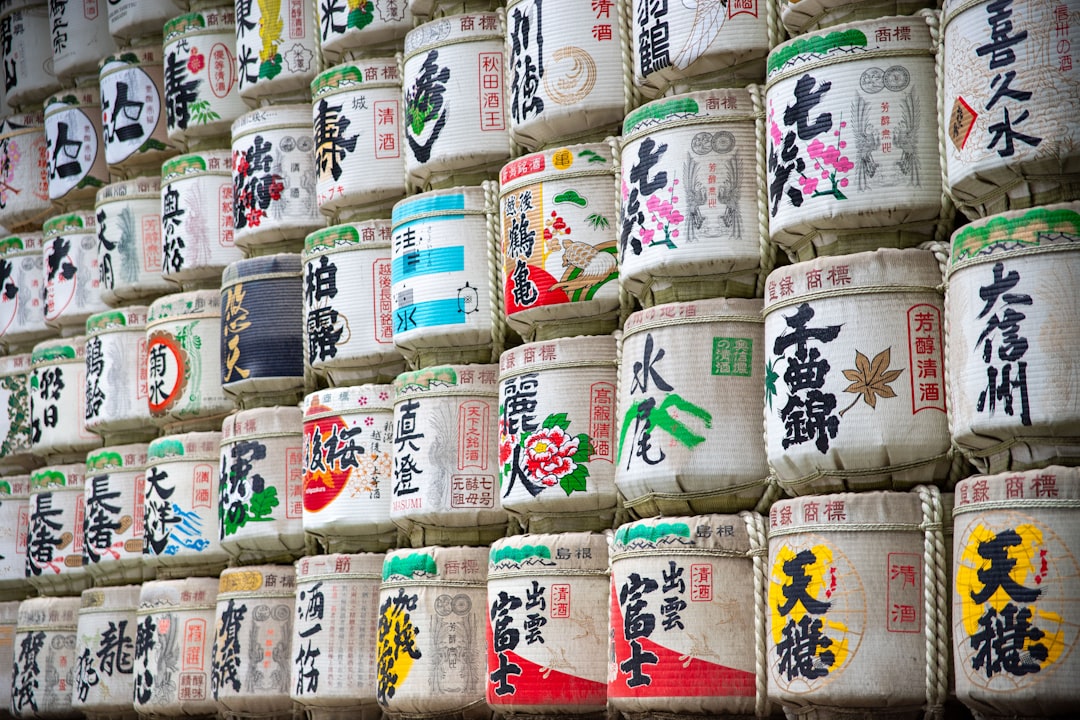
The SupportSAKE project is spearheaded by the Japan External Trade Organization (JETRO) and aims to foster a community of sake enthusiasts in North America. This initiative is part of a broader effort to promote Japanese sake internationally, especially in regions where demand is on the rise. The project emphasizes the importance of traditional sake brewing techniques, which are governed by the Liquor Tax Act (Shuzeihō) and aims to educate consumers about the diverse types of sake available. Over the years, Japan has seen a resurgence in interest in traditional crafts, including sake brewing, leading to various initiatives to support local breweries. The project aligns with Japan’s national strategy to enhance cultural exports and promote regional economies, especially in the wake of the COVID-19 pandemic, which has impacted the hospitality and beverage sectors significantly. As part of this initiative, JETRO is expected to collaborate with local breweries and distributors to create educational programs and promotional events that will further connect Japanese sake with international markets.How This Affects Your Business in Japan
| Item | Cost (JPY) | Cost (USD approx) | Notes |
| Company Registration | ¥150,000 | $1,000 | One-time fee |
| Notary Fee | ¥50,000 | $350 | For document notarization |
| Visa Application | ¥4,000 | $30 | Per application |
1. Foreign Residents Already Operating a Business in Japan
For those already in the beverage industry, engaging with the SupportSAKE project can provide valuable networking opportunities. They should consider attending events organized by JETRO and local breweries to learn about new trends and consumer preferences. Additionally, they may want to explore partnerships with sake producers to diversify their product offerings. Documentation such as business licenses and proof of existing operations may be required for participation. Failing to engage could result in missed opportunities in a growing market.
2. Foreign Nationals Planning to Establish a New Company
Entrepreneurs looking to enter the sake market should conduct thorough market research to understand consumer preferences and regulatory requirements. They can benefit from JETRO’s resources and support in navigating the legal landscape, including the Liquor Tax Act. Key documents such as a business plan, proof of funding, and relevant permits will be necessary. Delaying action could lead to lost market entry opportunities as interest in Japanese sake continues to grow.
3. Foreign Investors Who Are NOT Residents of Japan
Investors interested in the Japanese sake industry should consider the potential for high returns given the increasing global demand for authentic Japanese products. They should connect with JETRO to understand investment opportunities and regulatory frameworks. Essential documents include investment proposals and financial statements. Inaction may result in missed investment opportunities in a lucrative sector that is gaining traction internationally.
Step-by-Step: What You Need to Do
Step 1: Research the Sake MarketUnderstand the current trends and consumer preferences in the sake industry. Resources can be found through JETRO’s website.
Office: JETRO (English Support: Yes)
Cost: Free (¥0)
Time: 1-2 weeks
Pitfall: Overlooking niche market trends
Step 2: Attend JETRO Events
Participate in events to network with local sake producers and distributors. Check JETRO’s event calendar for upcoming opportunities.
Office: JETRO (English Support: Yes)
Cost: Varies by event
Time: Ongoing
Pitfall: Not following up with contacts
Step 3: Prepare Business Documentation
Gather necessary documents such as business plans, licenses, and permits. Consult with a legal advisor if needed.
Office: Legal Affairs Bureau (English Support: Limited)
Cost: ¥30,000 to ¥50,000 (~$200 to $350 USD) per hour for legal consultation
Time: 2-4 weeks
Pitfall: Incomplete documentation
Step 4: Engage with Local Breweries
Reach out to local sake breweries to explore partnership opportunities. English support may be available through JETRO.
Office: Local Breweries (English Support: Limited)
Cost: Free to reach out, potential costs for partnership agreements
Time: 1-3 months
Pitfall: Misalignment of business goals
Step 5: Apply for Necessary Permits
Submit applications for any required permits under the Liquor Tax Act. Contact the National Tax Agency for guidance.
Office: National Tax Agency (English Support: Limited)
Cost: Application fees vary
Time: 1-3 months
Pitfall: Missing application deadlines
Step 6: Launch Marketing Campaign
Develop a marketing strategy to promote your sake offerings, leveraging the cultural significance of sake.
Office: Marketing Agencies (English Support: Yes)
Cost: Varies based on marketing strategy
Time: 1-2 months
Pitfall: Ineffective targeting
Key Contacts
www.jetro.go.jp/en/
www.moj.go.jp/isa/
www.customs.go.jp/english/
www.nta.go.jp/english/
www.meti.go.jp/english/
Expert Analysis: Japan vs. Regional Competitors
| Metric | Japan | Singapore | Hong Kong | South Korea |
| Incorporation Time | 14 days | 3 days | 5 days | 7 days |
| Minimum Capital Requirement | ¥0 | S$1 | HK$1 | ₩100,000 |
| Corporate Tax Rate | 30% | 17% | 16.5% | 22% |
| Visa Processing Time | 2 months | 1 month | 1 month | 1 month |
What to Expect Next
Looking ahead, the SupportSAKE project is expected to evolve with more collaborative events and educational programs aimed at international markets. Stakeholders should watch for potential legislative changes that may affect the Liquor Tax Act and other related regulations. By 2027, further developments in international trade agreements could also influence the export landscape for Japanese sake, making it essential for foreign entrepreneurs to stay informed and adaptable.Sources & References
This article is based on the following source and enhanced with professional analysis for foreign business owners.Source: 北米日本酒ファンコミュニティ#SupportSAKEプロジェクト ―日本の酒造りの伝統と多様性を次の世代につなぐために―
⚠️ This article is for informational purposes only and does not constitute legal advice. Please consult a qualified Japanese attorney (bengoshi) or judicial scrivener (shiho shoshi) for advice specific to your situation.






コメント