
📋 Quick Summary for Foreign Business Owners
Category: Practical Guide
Category: Practical Guide
Background & Context
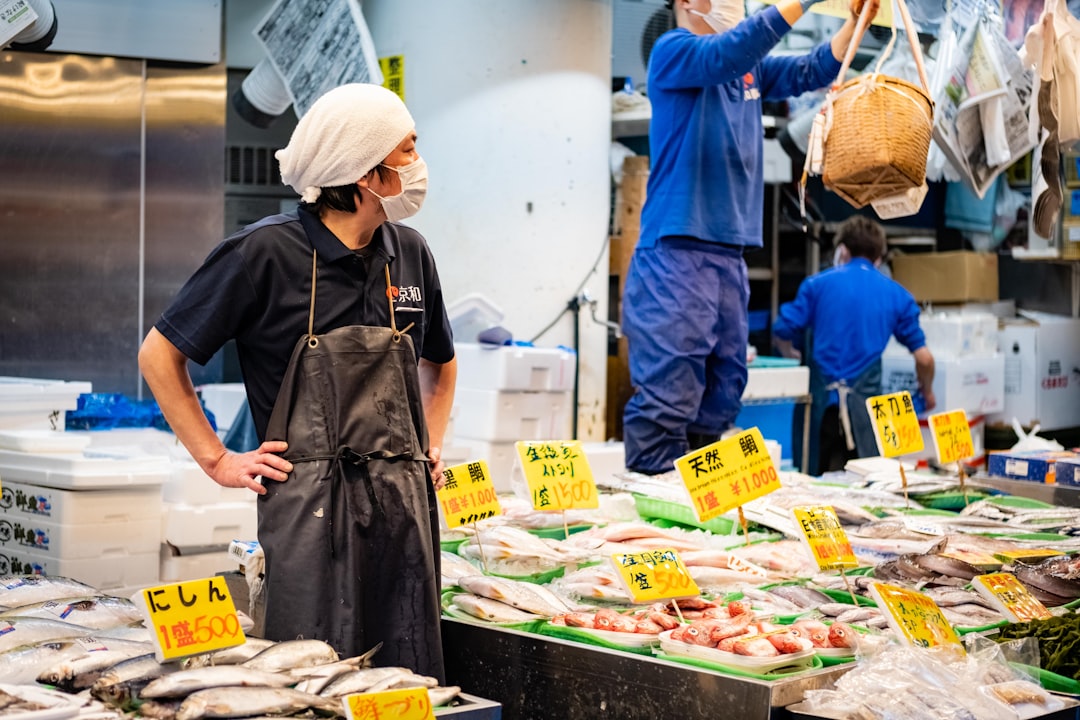
The Japanese government has recognized the need to enhance its agricultural and food exports, especially in the face of increasing global competition. The ‘Support Program for 10,000 Food Exporters’ is a collaborative effort involving several key agencies: the Ministry of Economy, Trade and Industry (METI, Keizai Sangyo-sho), the Small and Medium Enterprise Agency (SMEA, Chusho Kigyo Seisaku-shitsu), the Ministry of Agriculture, Forestry and Fisheries (MAFF, Nogyo Shokuryo-sho), the Japan External Trade Organization (JETRO), and the Organization for Small & Medium Enterprises and Regional Innovation (SMRJ, Chusho Kigyo Kiban Seibi Kikou). This initiative aims to provide comprehensive support to businesses involved in food exports, including financial assistance, marketing support, and access to international markets. The program is part of Japan’s broader strategy to increase the value of food exports, which has seen steady growth over the years. Recent regulatory changes have focused on simplifying export procedures and enhancing the quality of Japanese food products to meet international standards. This program is expected to play a crucial role in achieving Japan’s goal of reaching a food export value of ¥1 trillion (approximately $6.7 billion USD) by 2025.How This Affects Your Business in Japan
| Item | Cost (JPY) | Cost (USD approx) | Notes |
| Company Registration | ¥150,000 | $1,000 | One-time fee |
| Notary Fee | ¥50,000 | $350 | Required for document certification |
| Visa Application | ¥4,000 | $30 | Per application |
1. Foreign Residents Already Operating a Business in Japan
For those already engaged in food-related businesses, this program offers a chance to expand their export capabilities. They should register for the program through JETRO to access resources and support. Documentation may include business registration papers and export plans. Failure to participate may result in missed opportunities for financial aid and market access.
2. Foreign Nationals Planning to Establish a New Company
New entrepreneurs should consider aligning their business plans with the objectives of this program. They can benefit from government support by applying for grants or assistance through METI and JETRO. It is essential to prepare a detailed business plan outlining export strategies and compliance with Japanese food safety regulations. Not taking action could hinder their ability to compete in the export market.
3. Foreign Investors Who Are NOT Residents of Japan
Investors looking to enter the Japanese food export market should monitor this program closely. They can explore partnerships with local businesses that are part of the initiative. Engaging with JETRO can provide insights into market trends and potential investment opportunities. Not acting on these insights may lead to missed investment opportunities in a growing sector.
Step-by-Step: What You Need to Do
Step 1: Research the ProgramVisit the JETRO website to understand the support available.
Office: JETRO (English Support: Yes)
Cost: Free (¥0)
Time: 1-2 hours
Pitfall: Overlooking specific eligibility criteria
Step 2: Prepare Necessary Documents
Gather business registration documents and export plans.
Office: Business Consultant (English Support: Limited)
Cost: ¥30,000 to ¥50,000 (~$200 to $350 USD)
Time: 1-2 weeks
Pitfall: Incomplete documentation
Step 3: Register for the Program
Apply through JETRO’s online portal.
Office: JETRO (English Support: Yes)
Cost: Free (¥0)
Time: 1 week
Pitfall: Missing registration deadlines
Step 4: Attend Orientation Sessions
Participate in JETRO’s orientation sessions to learn about the program benefits.
Office: JETRO (English Support: Yes)
Cost: Free (¥0)
Time: 1 day
Pitfall: Not attending all sessions
Step 5: Develop Export Strategy
Create a comprehensive export strategy in line with the program’s objectives.
Office: Business Consultant (English Support: Limited)
Cost: ¥50,000 to ¥100,000 (~$350 to $700 USD)
Time: 2-4 weeks
Pitfall: Not aligning with program goals
Step 6: Submit Export Plans
Present your export plans to JETRO for feedback and potential funding.
Office: JETRO (English Support: Yes)
Cost: Free (¥0)
Time: 1 week
Pitfall: Inadequate plan details
Step 7: Monitor Progress
Regularly check in with JETRO for updates on your application and support status.
Office: JETRO (English Support: Yes)
Cost: Free (¥0)
Time: Ongoing
Pitfall: Failing to follow up
Key Contacts
www.jetro.go.jp/en/
www.moj.go.jp/isa/
www.meti.go.jp/english/
www.nta.go.jp/english/
Expert Analysis: Japan vs. Regional Competitors
| Metric | Japan | Singapore | Hong Kong | South Korea |
| Incorporation Time | 14 days | 3 days | 5 days | 7 days |
| Minimum Capital Requirement | ¥0 | S$1 | HK$1 | ₩0 |
| Corporate Tax Rate | 23.2% | 17% | 16.5% | 22% |
| Visa Processing Time | 1 month | 2 weeks | 3 weeks | 1 month |
What to Expect Next
Looking ahead, foreign entrepreneurs should keep an eye on the developments of this program as it evolves. The government is likely to introduce additional incentives and support mechanisms to further stimulate food exports. Key timelines to watch include updates on funding availability and potential amendments to export regulations that may arise in response to market feedback. Entrepreneurs should stay informed through JETRO and METI announcements to capitalize on emerging opportunities.Sources & References
This article is based on the following source and enhanced with professional analysis for foreign business owners.Source: 日本の食輸出1万者支援プログラムを始動します
⚠️ This article is for informational purposes only and does not constitute legal advice. Please consult a qualified Japanese attorney (bengoshi) or judicial scrivener (shiho shoshi) for advice specific to your situation.








コメント